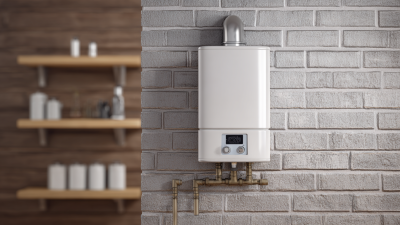
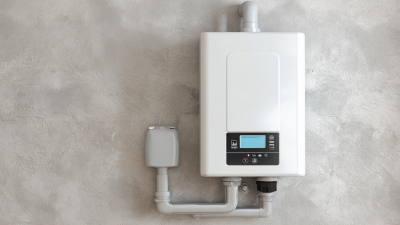
What is the Best Tankless Water Heater for Your Home?
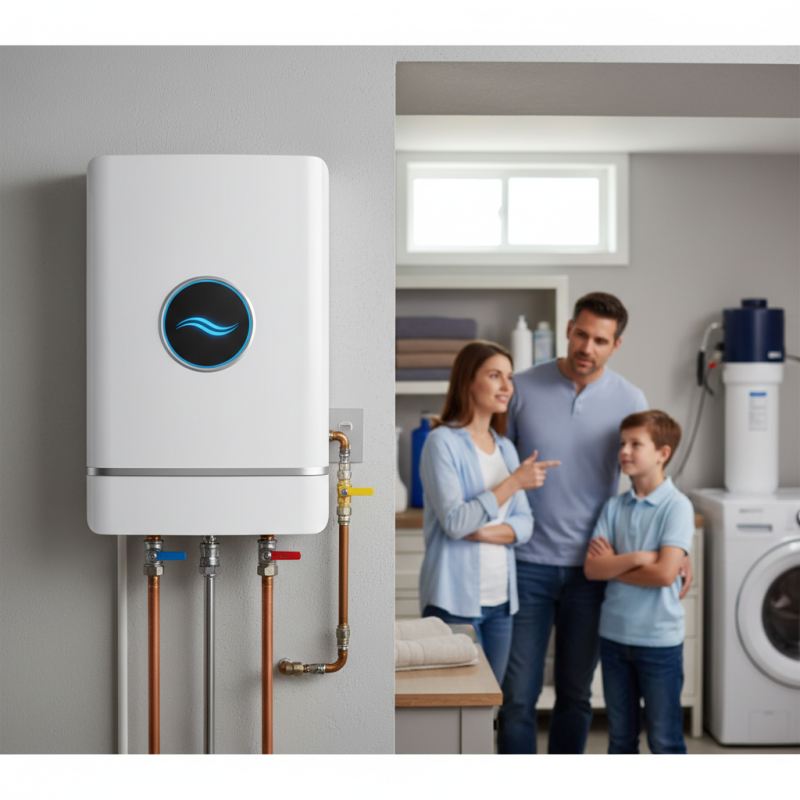
When considering what is the best tankless water heater for your home, several factors come into play. A tankless system heats water on demand, providing endless hot water. However, the best option depends on your household's specific needs.
There are various brands and models available. Some are more efficient, while others are more affordable. Researching both performance and reliability is essential. Look for products with good warranties and positive customer reviews.
It’s important to weigh your options carefully. A model may appear superior at first glance but could lack in efficiency for larger families. Sometimes, a simple unit is sufficient for smaller spaces. Choosing the best tankless water heater may not be straightforward, but a balanced approach ensures satisfaction.
Types of Tankless Water Heaters for Residential Use
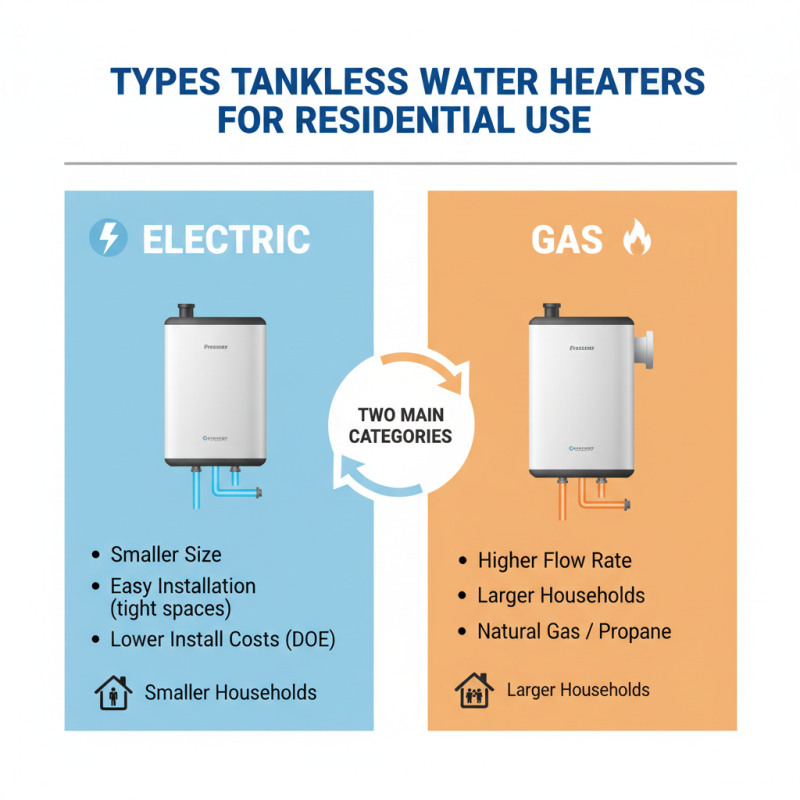
When considering tankless water heaters, multiple types are available for residential use. These heaters fall into two main categories: electric and gas. Electric models are smaller, making them easier to install in tight spaces. They provide a reliable stream of hot water for smaller households. A study from the Department of Energy reports that electric units typically have lower installation costs.
On the other hand, gas tankless water heaters offer higher flow rates and efficiency. They can handle the demands of larger homes more effectively. According to the National Renewable Energy Laboratory, gas-powered models can provide instant hot water, reducing wait times. However, they often require venting systems, which can complicate installation.
Each type has its pros and cons. For instance, electric systems may not perform well during power outages. Gas models might experience fluctuations due to fuel supply issues. Homeowners should weigh these factors carefully. It's essential to assess your household's hot water needs and local energy sources before selecting a unit. Understanding these variations can lead to a more informed choice.
Factors to Consider When Choosing a Tankless Water Heater
Choosing a tankless water heater requires careful consideration of several key factors. First, you need to know your household's hot water demand. This includes estimating the peak flow rate. A well-chosen model should provide enough hot water for multiple faucets or appliances to run at once without running cold. This can be tricky. Each home has different needs.
Energy efficiency is another important feature. Many tankless water heaters use less energy compared to traditional models. Look for energy ratings to find units that minimize energy costs. However, efficiency can vary based on the climate and installation method. Some units may not perform well in colder regions, so it's essential to check specifications against your local conditions.
Installation type and location play significant roles too. Consider if you want outdoor or indoor units. Indoor models often need additional venting, affecting installation costs. If you're not familiar with plumbing, hiring a professional may be necessary. However, not all contractors will give the same quality of work. So, research potential installers to ensure you receive reliable service.
Best Tankless Water Heater Features Comparison
Energy Efficiency Ratings and Their Importance
When choosing a tankless water heater, energy efficiency ratings play a crucial role.
These ratings help homeowners understand how well a unit converts energy into hot water. A higher rating often indicates
lower energy bills and a smaller carbon footprint. However, many people overlook these
ratings and focus only on the initial cost. This can lead to hidden expenses in the long run.
Understanding the different efficiency ratings, like EF (Energy Factor) and UEF (Uniform Energy Factor), is essential.
EF indicates overall efficiency, while UEF considers real-world performance. Both ratings reflect a unit's performance across various conditions.
Yet, some consumers may misinterpret what these numbers mean, potentially leading to poor purchasing decisions.
Energy efficiency also depends on factors like installation and maintenance. A well-installed unit can perform better than
one that is improperly set up. Regular maintenance is often neglected, affecting long-term efficiency. Many assume that once installed, their unit will run efficiently forever.
This misconception can lead to unexpected issues and reduced performance over time. It's essential to examine how these ratings align
with your home's needs for effective and lasting hot water solutions.
Installation Requirements and Costs for Tankless Systems
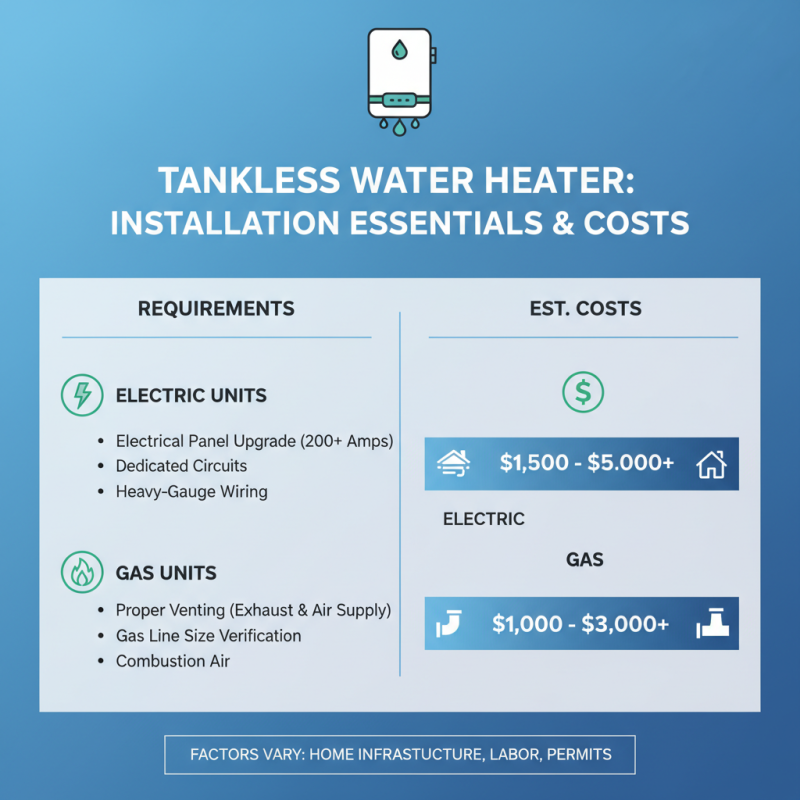
When considering installation requirements for tankless water heaters, several factors come into play. First, ensure your home’s electrical or gas supply can accommodate the unit. Most electric tankless heaters require a significant electrical upgrade, which can be costly. Gas units need proper venting to ensure safety and efficiency, which also adds to installation complexity. Verify that your home’s infrastructure meets these demands to avoid surprises.
Moreover, consider the space needed for installation. Tankless units are typically compact but may require specific locations for optimal operation. It's important to check local building codes, as they vary by region. These codes may dictate installation practices and safety measures. Hiring a qualified professional can help navigate these requirements efficiently.
Additionally, think about the overall cost of installation. While tankless water heaters can save money on energy bills, upfront costs are often higher than traditional systems. Installation may range from a few hundred to several thousand dollars. Reflect on these factors carefully. An efficient system may require investing time and resources upfront, which can pay off in the long run. Understanding your home’s specific needs is crucial to making a smart decision.
Top Brands and Models of Tankless Water Heaters in 2023
In 2023, the market for tankless water heaters is evolving rapidly. Industry reports estimate that sales are expected to grow by 5% annually. This trend is driven by the pursuit of energy efficiency and space-saving solutions in homes. A well-chosen tankless system can reduce energy consumption by up to 30% compared to traditional heaters.
Homeowners often seek systems that offer high flow rates. Many top models can deliver hot water at a rate of 5 to 10 gallons per minute. However, installation complexity varies among brands. Some require specific venting setups, which can increase overall costs. It’s essential to carefully review installation requirements before selecting a model.
Another critical aspect is the lifespan of these heaters. While standard models last about 10-15 years, premium options can extend beyond 20 years with proper maintenance. Regular descaling and filter cleaning can significantly enhance their efficiency. However, many users overlook this, potentially shortening the unit's lifespan. Consider the importance of maintenance in your decision-making process to ensure long-term satisfaction.
What is the Best Tankless Water Heater for Your Home? - Top Brands and Models of Tankless Water Heaters in 2023
| Model |
Flow Rate (GPM) |
Max Temperature Rise (°F) |
Energy Efficiency (%) |
Warranty (Years) |
| Model A |
3.5 |
70 |
90 |
15 |
| Model B |
5.0 |
60 |
92 |
12 |
| Model C |
6.5 |
50 |
88 |
10 |
| Model D |
4.0 |
80 |
91 |
14 |
| Model E |
7.0 |
55 |
89 |
11 |