How to Choose the Best Gas Multipoint Water Heater for Your Home
When selecting a Gas Multipoint Water Heater for your home, the choices available can be overwhelming. Experts in the industry recommend carefully considering various factors to ensure you make the best decision for your specific needs. Dr. Emily Roberts, a leading expert in home heating solutions, emphasizes, "A well-chosen gas multipoint water heater not only enhances the comfort of your home but also improves energy efficiency, ultimately saving you money in the long run."
Understanding your hot water requirements, the layout of your home, and the fuel efficiency of the options available can make a significant difference in both performance and cost. A Gas Multipoint Water Heater provides continuous hot water to multiple outlets, making it an ideal choice for families and larger households. By analyzing your family's hot water consumption patterns and the size of your home, you can narrow down the options to find the most suitable system that meets your needs while ensuring optimal performance.
In conclusion, choosing the right Gas Multipoint Water Heater is an investment in both comfort and efficiency. By leveraging expert advice and thoroughly assessing your household requirements, you can make a well-informed decision that will enhance your living experience for years to come.
Understanding the Basics of Gas Multipoint Water Heaters
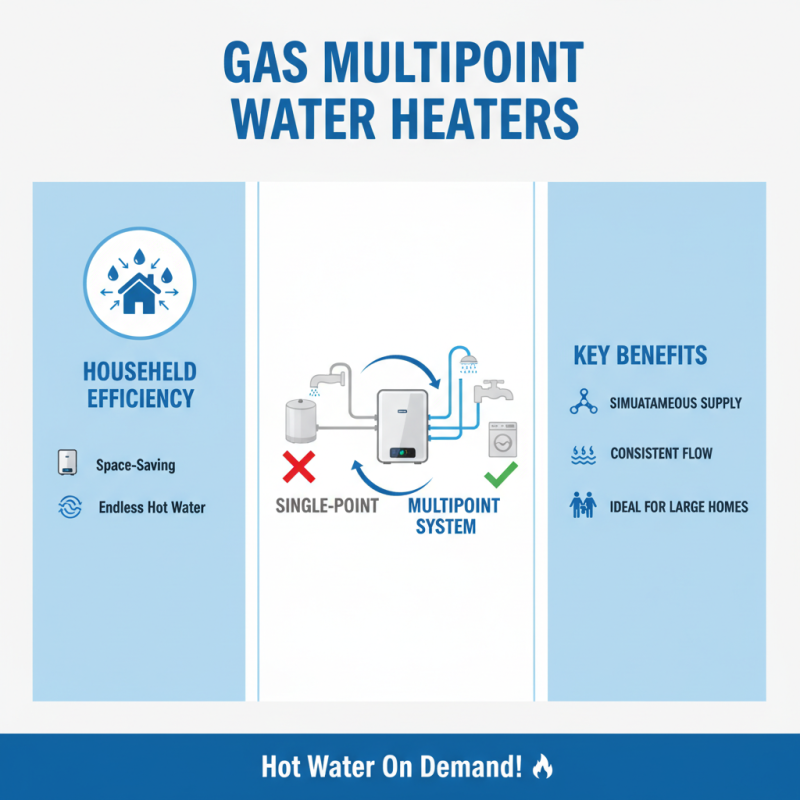
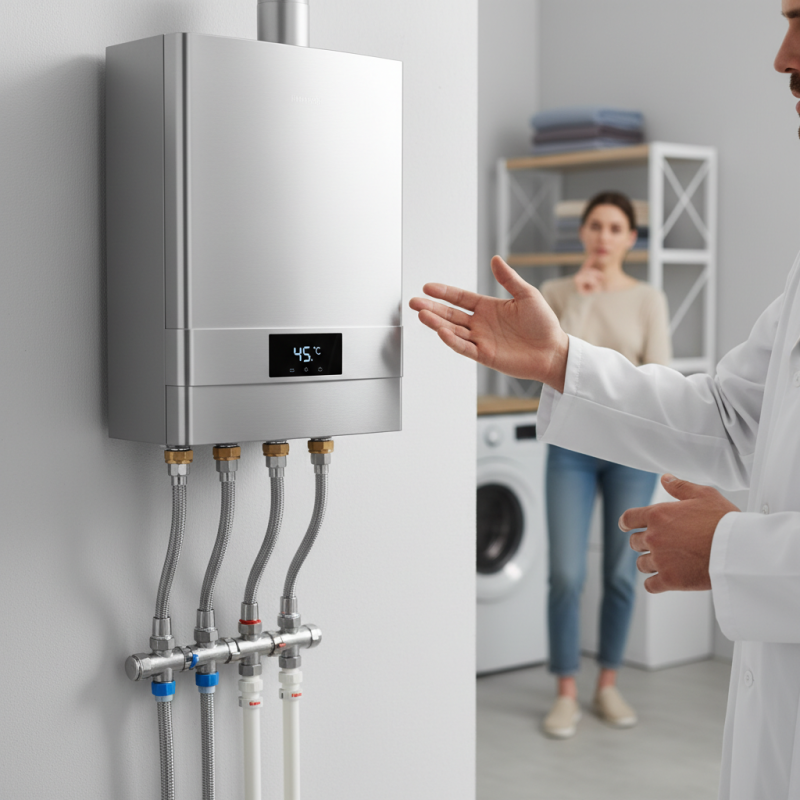
Gas multipoint water heaters are increasingly popular for households seeking efficient and space-saving solutions for hot water. Unlike traditional single-point heaters, which serve only one outlet, multipoint systems can supply hot water to multiple taps or appliances simultaneously. This makes them ideal for larger homes or places with high hot water demand, as they can deliver a consistent flow of hot water without the inconvenience of waiting for a tank to refill.
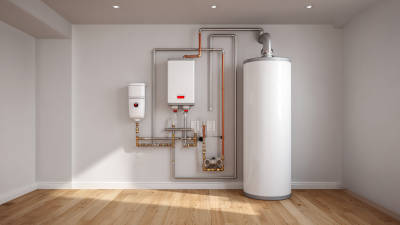
When selecting a gas multipoint water heater, understanding their key components is vital. These systems generally consist of a heat exchanger, temperature controls, and safety mechanisms to ensure reliable performance. The heat exchanger is responsible for heating the water, while advanced controls allow homeowners to set their desired temperature easily. Safety measures, such as automatic shut-off valves and pressure relief systems, protect users from potential hazards, making them a safer choice for hot water supply.
Additionally, efficiency ratings play a crucial role in the selection process. Opting for a model with high energy efficiency not only reduces operational costs but also minimizes the environmental impact. Consideration of installation logistics, including space requirements and ventilation needs, is also essential to ensure a seamless integration into your home. Overall, having a clear understanding of how gas multipoint water heaters function can significantly aid in making an informed purchase that meets your specific needs.
Factors to Consider When Choosing a Gas Multipoint Water Heater
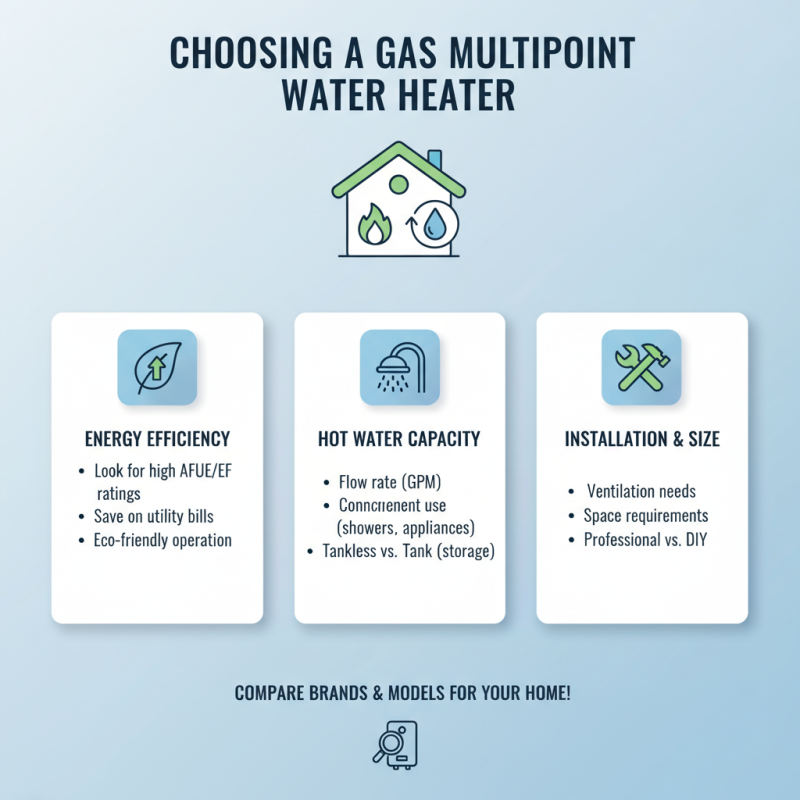
When choosing a gas multipoint water heater, several critical factors must be considered to ensure optimal performance and efficiency in your home. First and foremost, the capacity of the heater should align with your household needs.
Assess your daily hot water consumption based on the number of bathrooms and appliances that require hot water simultaneously. A heater that can deliver adequate flow rates during peak demand will prevent inconvenience and discomfort.
Another essential aspect is the energy efficiency of the unit. Look for models with high energy ratings, as these can significantly reduce monthly utility bills while minimizing environmental impact. Also, consider the installation space and venting requirements, as gas water heaters often need proper ventilation for safety and effectiveness.
Always check local regulations and codes to ensure compliance during installation, which may involve professional assistance. Lastly, consider maintenance requirements and warranties to protect your investment for years to come.
Evaluating Energy Efficiency Ratings for Water Heaters
When selecting the best gas multipoint water heater for your home,
energy efficiency ratings should be a primary consideration.
The U.S. Department of Energy (DOE) emphasizes the significance of energy efficiency in reducing both energy costs and environmental impact.
Water heaters are one of the largest energy consumers in residential settings, accounting for about 14% of total home energy usage,
according to the Energy Information Administration (EIA).
Choosing an energy-efficient model can lead to substantial savings over time, with some units boasting efficiency ratings of up to 98%.
The energy efficiency of water heaters is typically measured using the Energy Factor (EF) rating.
The EF rating reflects the amount of hot water produced per unit of fuel consumed over a typical day.
Higher EF ratings indicate more efficient appliances. A water heater with an EF of 0.67, for example, means that 67% of the energy consumed contributes to heating water.
The DOE suggests looking for units with an EF of 0.8 or higher for optimal efficiency.
Additionally, advancements in technology, such as condensing gas burners,
have further enhanced the energy efficiency of modern multipoint water heaters, allowing homeowners not only to save on energy costs
but also to reduce greenhouse gas emissions associated with heating water.
Comparing Different Brands and Models of Gas Water Heaters
When selecting a gas multipoint water heater, it’s essential to compare different brands and models to find the perfect fit for your home. Key aspects to consider include the heater’s energy efficiency, hot water output capacity, and overall installation requirements. Some models are designed for larger homes with higher hot water demands, while others are more suitable for smaller households. Understanding your family’s usage patterns can help you choose a model that provides enough hot water without unnecessary energy expenditure.
In addition to efficiency and capacity, durability and warranty options are important factors when comparing gas water heaters. Look for models that feature corrosion-resistant materials and robust construction to ensure longevity. Many manufacturers offer warranties that cover parts and labor, which can provide peace of mind as you invest in your water heating solution. Research customer reviews and expert ratings to gain insights into performance and reliability, ensuring you make an informed decision that will meet your household's needs for years to come.
Installation and Maintenance Tips for Optimal Performance
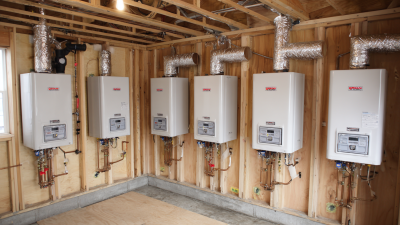
When it comes to ensuring optimal performance of a gas multipoint water heater, proper installation is paramount. Begin by selecting a suitable location away from potential hazards and in proximity to water sources. Ensure that the area is well-ventilated to prevent gas build-up and to allow for efficient combustion. Follow the manufacturer's guidelines for installation, which often include securing the unit to a stable surface and connecting the gas supply and water lines correctly. Utilizing a certified professional for the installation can significantly reduce risks and enhance safety.
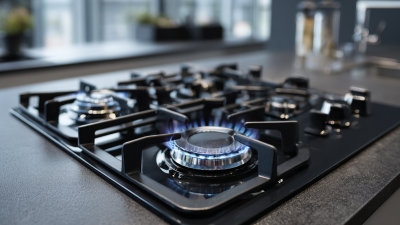
Regular maintenance is crucial for longevity and efficiency of your water heater. Schedule annual inspections to check for leaks, corrosion, and proper gas connections. Clean the burners and ensure the flame is blue in color, indicating efficient combustion. Additionally, flushing the unit periodically helps to remove sediment buildup, which can decrease performance and increase energy consumption. Keeping the unit and surrounding area clean and free of obstructions will also facilitate optimal airflow and safety. Adhering to these maintenance tips will ensure your gas multipoint water heater operates at peak efficiency throughout its life.
How to Choose the Best Gas Multipoint Water Heater for Your Home - Installation and Maintenance Tips for Optimal Performance
| Feature |
Importance |
Recommended Value |
Maintenance Frequency |
| BTU Input |
Determines heating efficiency |
Minimum 199,000 BTU |
Annually |
| Energy Efficiency Rating |
Reduces energy bills |
At least .75 EF |
Annually |
| Hot Water Output |
Sufficiency for household needs |
Spec as per household size |
Every 6 months |
| Tankless Options |
Infinite hot water supply |
Consider tankless models |
Every 6 months |
| Ventilation Requirements |
Proper venting prevents hazards |
Vertical or horizontal as needed |
Annually |