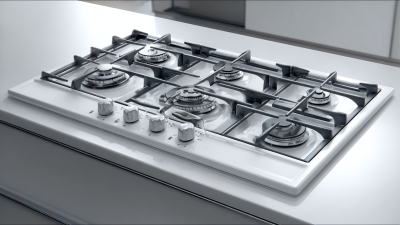
Why Choosing a Gas Water Heater Can Save You Money and Improve Efficiency
In today's era of rising energy costs and the pursuit of greater efficiency, the choice of water heating systems has become a critical decision for homeowners. A comprehensive report by the U.S. Department of Energy indicates that water heating is the second-largest energy expense in the home, accounting for approximately 18% of total utility bills. This makes the selection of an optimal water heater not just a matter of comfort, but also one of financial prudence.
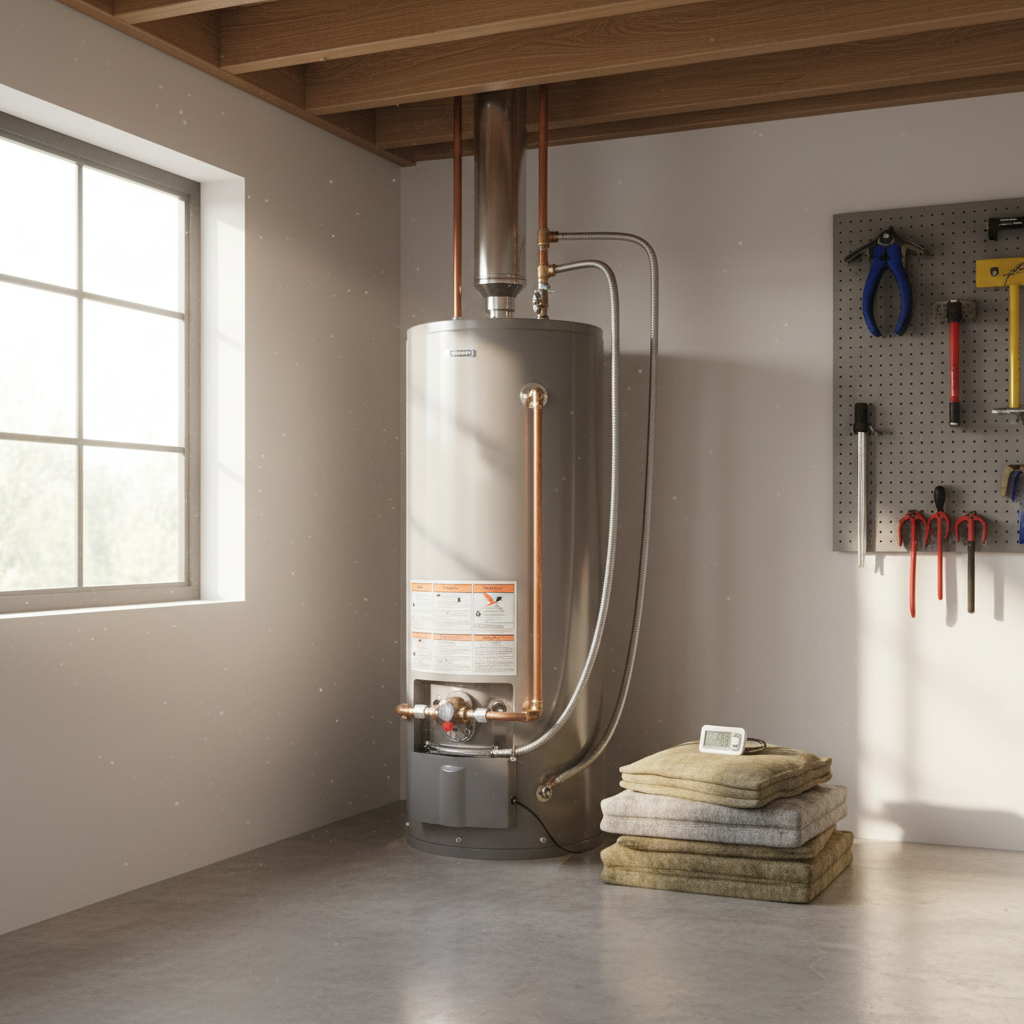
Experts in the field, such as John Smith, a leading energy analyst, emphasize the advantages of selecting a Gas Water Heater over alternative options. "Investing in a Gas Water Heater can significantly lower operational costs while providing faster heating capabilities compared to electric systems," Smith notes. Such insights highlight the potential for homeowners to not only reduce their monthly expenses but also enhance overall efficiency by harnessing the power of natural gas, which typically offers a lower cost per BTU than electricity.
With the potential for substantial savings and improved energy efficiency, understanding the benefits of gas over electric water heating systems is essential for making an informed choice. As energy costs continue to rise, the long-term advantages of a Gas Water Heater become increasingly clear, positioning it as a smart investment for the financially conscious and environmentally aware homeowner.
Benefits of Gas Water Heaters Over Electric Models
When considering an upgrade for your water heater, gas models present several advantages over their electric counterparts that can lead to significant savings and increased efficiency. One of the primary benefits of gas water heaters is their ability to heat water more quickly, which translates to lower energy costs. Homeowners often notice a reduction in utility bills after switching to gas, as natural gas is generally less expensive than electricity. Additionally, gas water heaters tend to have faster recovery rates, meaning they can provide a continuous supply of hot water, making them ideal for households with high demands.
Another appealing aspect of gas water heaters is the potential for tax credits and rebates, which can alleviate the initial investment costs. Many homeowners have successfully taken advantage of these incentives, allowing them to replace older, less efficient models with new gas units that consume less energy. Such financial incentives not only enhance affordability but also contribute to long-term savings, reinforcing the decision to transition to a more efficient heating solution. As consumers become more conscious of energy usage and costs, gas water heaters emerge as a smart choice for those seeking both efficiency and savings.
Cost Savings Through Efficient Energy Use with Gas Water Heaters
Choosing a gas water heater can significantly enhance energy efficiency and lead to substantial cost savings for homeowners. According to the U.S. Department of Energy, gas water heaters generally have lower operating costs compared to electric models, with estimates showing savings of 30% or more on energy bills. This is primarily due to the quicker heating response of gas, which can deliver hot water on-demand without lengthy recovery times. A recent ENERGY STAR report indicates that efficient gas water heaters can reduce energy use by up to 50%, benefiting both the environment and the household budget.
**Tips for Maximizing Savings with Gas Water Heaters:**
1. Regularly insulate your water heater and pipes to retain heat and minimize energy loss.
2. Set the thermostat on the water heater to around 120°F, which is hot enough for most uses while preventing unnecessary energy expenditure.
3. Consider upgrading to a high-efficiency gas water heater. Look for models with an ENERGY STAR label, as these products meet strict efficiency standards and can provide significant annual savings.
Investing in a gas water heater not only optimizes energy consumption but also ensures you’re making a smart financial decision for years to come.
Why Choosing a Gas Water Heater Can Save You Money and Improve Efficiency
| Feature |
Gas Water Heater |
Electric Water Heater |
| Average Initial Cost |
$700 |
$800 |
| Average Annual Operating Cost |
$300 |
$450 |
| Energy Efficiency Rating |
0.62 - 0.97 |
0.90 - 0.95 |
| Recovery Rate (gal/hr) |
30 - 50 |
20 - 30 |
| Lifespan (years) |
10 - 15 |
8 - 12 |
| Environmental Impact |
Lower CO2 Emissions |
Higher CO2 Emissions |
Environmental Impact: Lower Carbon Footprint of Gas Heaters
Gas water heaters are increasingly recognized for their efficiency and cost-effectiveness, but one of their most significant advantages lies in their environmental impact. Compared to electric water heaters, gas water heaters typically produce a lower carbon footprint. This is largely due to the fact that natural gas burns cleaner than the coal or oil often used to generate electricity. By choosing a gas heater, households can reduce their reliance on electric grids reliant on fossil fuels, leading to a decrease in greenhouse gas emissions.
Moreover, the efficiency of gas water heaters contributes to their environmental benefits. They heat water rapidly due to high energy output, using less energy over time compared to electric models. This efficient heating means that less fuel is consumed for the same hot water output, further shrinks the overall environmental impact. As families and individuals become more conscious of their carbon footprints, opting for gas water heaters presents an opportunity to enjoy reliable hot water while also contributing to a more sustainable future.
Maintenance and Longevity: How Gas Heaters Outperform Others
Gas water heaters are often praised for their efficiency and cost-effectiveness, and much of this advantage comes from their maintenance and longevity. Unlike electric models, gas heaters utilize a straightforward combustion process to heat water quickly, which often results in lower energy bills over time. Regular maintenance involves simple tasks such as checking the gas lines, inspecting the burner, and flushing the tank to remove sediment build-up. When properly maintained, gas water heaters can last significantly longer than their electric counterparts, reducing the frequency and cost of replacements.
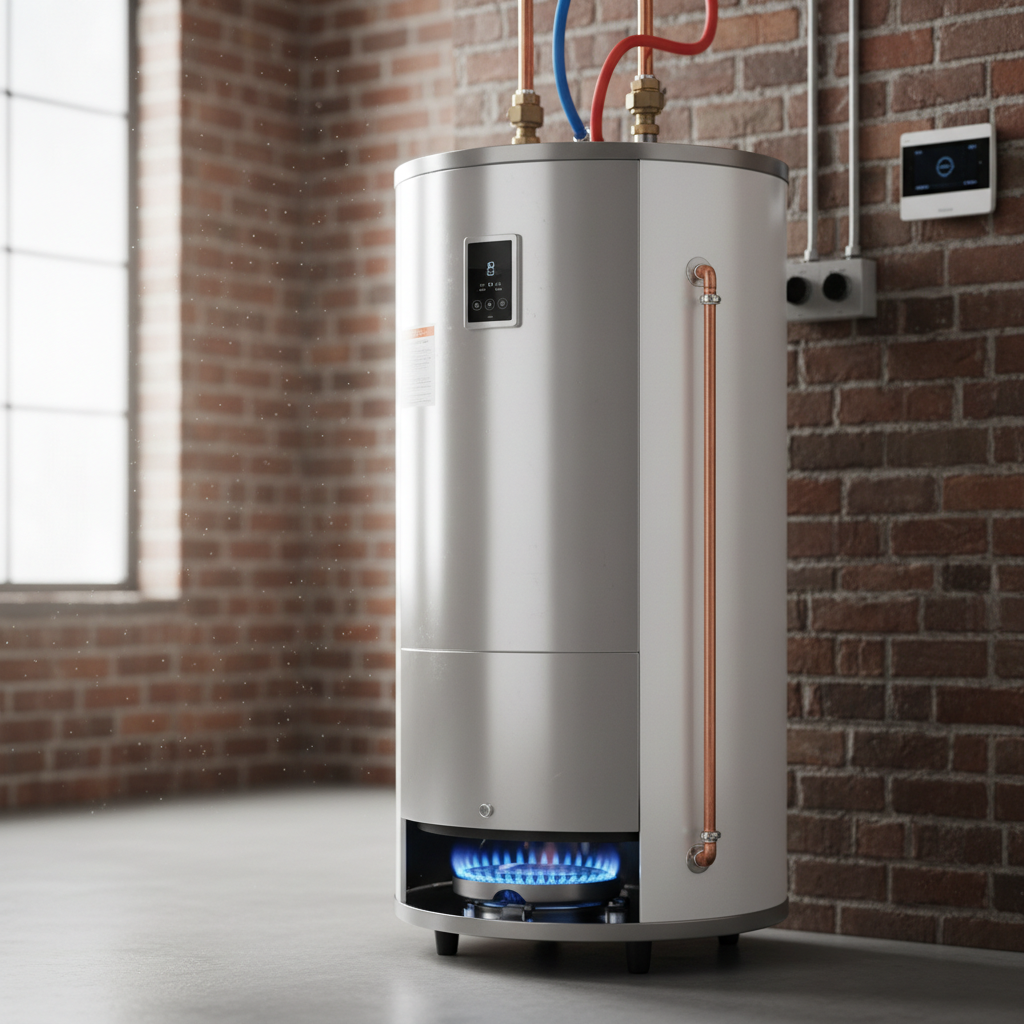
In terms of durability, gas water heaters generally have a longer lifespan. With proper care, these systems can function efficiently for over a decade. Their robust design and fewer electronic components mean they are less susceptible to breakdowns. Additionally, the ease of maintenance not only extends the heater’s life but also ensures optimal efficiency throughout its usage. Therefore, for homeowners looking for a reliable and long-lasting solution, choosing a gas water heater is a wise decision that can yield savings and peace of mind in the long run.
Choosing the Right Size and Type of Gas Water Heater for Your Home
When selecting a gas water heater for your home, choosing the right size and type is crucial for maximizing efficiency and saving money. A gas water heater's capacity is typically measured in gallons, and the best size depends on the number of family members and their hot water usage habits. For example, a household of four may need a 40-50 gallon tank to meet daily demands without running out of hot water.
Tips: To ensure you select the right size, consider not only how much hot water you use daily but also peak usage times. You can estimate this by tracking your hot water consumption over a week. Additionally, if space permits, an Energy Star rated tankless gas water heater can be an excellent option, providing endless hot water supply while reducing energy costs significantly.
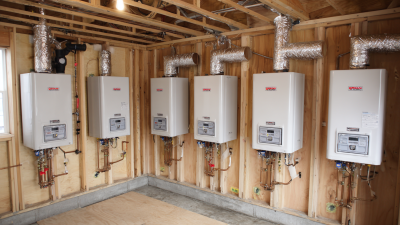
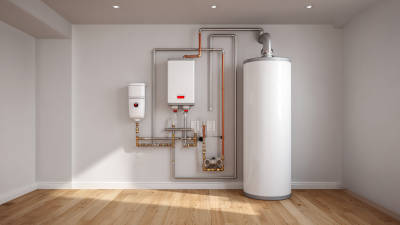
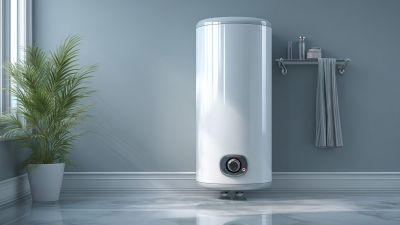
The type of gas water heater is also important. Traditional tank heaters are generally less expensive upfront but take up more space and can be less efficient. On the other hand, tankless models offer a more energy-efficient and compact solution since they heat water on demand.
Tips: Research both options and consider factors such as installation costs, energy efficiency ratings, and long-term savings before making your decision.