How to Choose the Best Tankless Water Heater for Your Home Needs
When it comes to upgrading your home’s hot water system, selecting the right Tankless Water Heater is paramount. Unlike traditional water heaters that store a limited amount of hot water, tankless models provide an endless supply of hot water as needed, making them a highly efficient choice for many households. However, with a myriad of options available, choosing the best Tankless Water Heater for your specific needs can be a daunting task.
To make an informed decision, it's essential to consider factors such as the size of your household, peak hot water usage, energy efficiency ratings, and installation requirements. Understanding these aspects will not only help you select a unit that accommodates your family’s hot water demands but also ensures that you are investing in a system that offers long-term savings and reliability. Additionally, this guide will aid you in navigating the various features and technologies available in the market, allowing you to find a Tankless Water Heater that aligns with your lifestyle and budget.

Understanding Tankless Water Heaters: Basics and Benefits
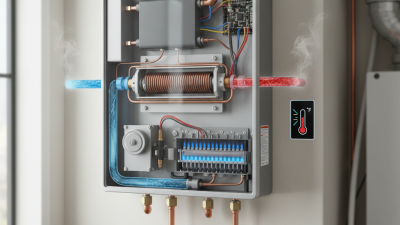
Tankless water heaters, also known as on-demand water heaters, provide a continuous supply of hot water without the need for a storage tank. These systems heat water directly as it flows through the unit, making them incredibly efficient and space-saving. Unlike traditional water heaters that maintain a reservoir of hot water, tankless models activate only when hot water is needed, resulting in significant energy savings and reducing costs over time.
One of the primary benefits of tankless water heaters is their ability to deliver hot water at a consistent temperature for as long as necessary. This makes them ideal for larger households or homes with high hot water demands, as multiple outlets can use hot water simultaneously without a drop in temperature. Additionally, these systems tend to have a longer lifespan compared to conventional units, with some lasting over 20 years. Their compact design allows for greater flexibility in installation, as they can be mounted on walls or tucked into small spaces, maximizing overall room usage without sacrificing comfort.
Evaluating Your Household's Hot Water Demand
When selecting a tankless water heater for your home, understanding your household's hot water demand is essential. According to the U.S. Department of Energy, the average family uses approximately 64 gallons of water per day. However, this can vary significantly based on lifestyle, the number of occupants, and specific hot water needs. For instance, a family that takes multiple showers within a short time frame may find themselves in need of a unit that can provide a higher flow rate, which is typically measured in gallons per minute (GPM).
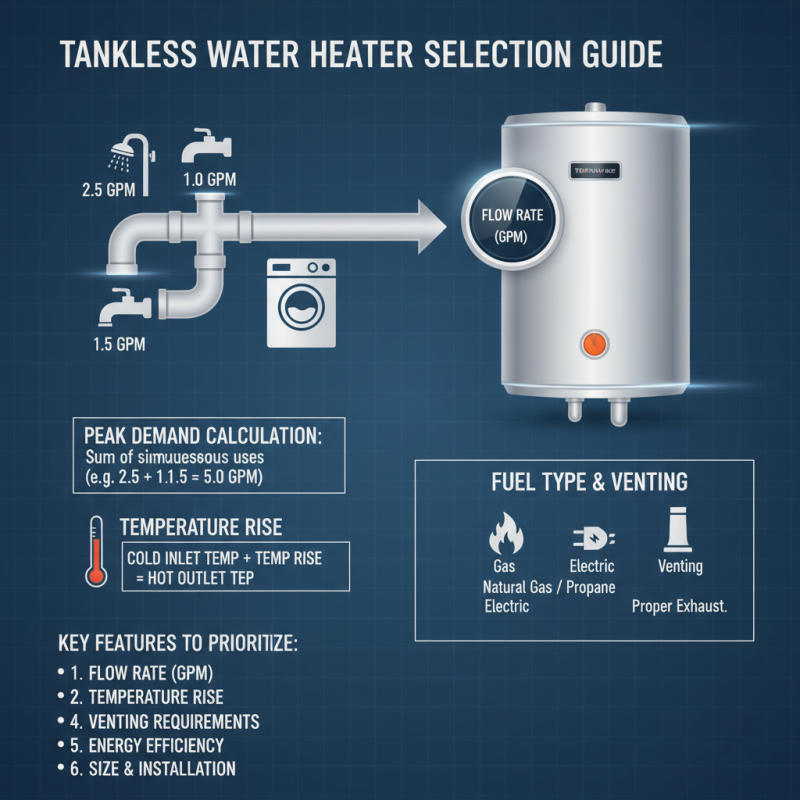
Evaluating your household's peak demand can provide clearer insight into what type of tankless heater will suit your needs. Industry research suggests that a standard shower uses about 2.5 GPM, while a dishwasher might require around 1.5 GPM, and a washing machine can use 2 GPM. If your household plans to run multiple outlets simultaneously—say, two showers and a washing machine—you would need a unit capable of delivering at least 6 GPM to meet peak demands effectively. Investing time in this assessment can prevent future inconveniences and ensure a consistent supply of hot water tailored to your unique requirements.
How to Choose the Best Tankless Water Heater for Your Home Needs - Evaluating Your Household's Hot Water Demand
| Household Size |
Peak Hot Water Demand (GPM) |
Recommended Heater Size (BTU) |
Energy Efficiency Rating |
| 1-2 People |
2.5 GPM |
100,000 BTU |
0.90 |
| 3-4 People |
4.0 GPM |
150,000 BTU |
0.92 |
| 5+ People |
6.5 GPM |
200,000 BTU |
0.88 |
Key Features to Look for in a Tankless Water Heater
When selecting a tankless water heater, several key features should be prioritized to ensure you choose the best option for your home. First and foremost, consider the heater’s flow rate, measured in gallons per minute (GPM). This rating indicates how much hot water the unit can provide simultaneously, which is crucial for households with multiple hot water needs. Assess your peak demand by calculating the cumulative GPM requirements of showers, faucets, and appliances that may be used at the same time.
Another important factor is the energy efficiency of the unit, often indicated by its Energy Factor (EF) rating. A higher EF signifies better energy utilization, which can translate into lower utility bills over time. Additionally, look for models equipped with advanced technology, such as digital temperature controls, which allow for precise adjustments and can enhance user comfort. Moreover, consider the warranty and customer service options available, as a reliable warranty can provide peace of mind and protection for your investment.
Comparing Different Fuel Sources: Electric vs. Gas
When selecting a tankless water heater, one of the primary considerations is the fuel source, which typically falls into two categories:
electric and gas.
Electric tankless water heaters are known for their compact size, making them an ideal choice for smaller homes or spaces where installation flexibility is desired. They usually require less maintenance and have fewer safety concerns, as there are no combustion gases to worry about. Additionally, they can be easier to install, often needing just a standard electrical outlet.
On the other hand, gas tankless water heaters often provide a higher flow rate and can heat water more rapidly than their electric counterparts.
They are typically more efficient for larger households that consume a significant amount of hot water at peak times. However, gas models require additional infrastructure, such as venting and gas lines, which can complicate installation and potentially lead to higher initial costs.
While both electric and gas options have their advantages, the choice ultimately depends on your household's specific needs and existing utilities, making it crucial to assess your requirements and preferences thoroughly.
Installation Considerations and Professional Assistance
When considering the installation of a tankless water heater, several factors must be taken into account to ensure optimal performance and efficiency in your home. First and foremost, it's crucial to assess the electrical or gas supply needed for your chosen system. Professional installers can determine whether your existing infrastructure can support the new heater and if any upgrades are necessary. This not only affects the heater's functionality but also ensures safety during operation.
Tips: Always consult with a licensed professional before making modifications to your home’s plumbing or electrical systems. They can provide valuable insights and help you navigate local building codes that may impact the installation.
Another significant consideration is the placement of the unit. Tankless water heaters can be installed indoors or outdoors, depending on space availability and climate conditions. An experienced contractor will evaluate your home layout to recommend the best location for efficiency and accessibility. Proper placement can lead to reduced energy costs and improved water delivery times throughout your home.
Tips: Think about the distance between the heater and your water outlets. A shorter distance can lead to faster hot water delivery and lower energy consumption.
Tankless Water Heater Features Comparison