What is a Gas Multipoint Water Heater and How Does It Work
In recent years, the demand for efficient and reliable water heating solutions has surged, leading to a growing interest in technologies like the Gas Multipoint Water Heater. According to a report by the U.S. Department of Energy, water heating accounts for approximately 18% of residential energy consumption, making it a significant contributor to overall energy usage. This underscores the importance of selecting the right water heating system that not only meets household needs but also aligns with energy efficiency standards.
A Gas Multipoint Water Heater offers an innovative solution by providing a centralized source of hot water for multiple outlets simultaneously. This system operates by using gas as a fuel source to heat water on demand, eliminating the need for storage tanks and reducing energy waste. Research indicates that installing a Gas Multipoint Water Heater can improve energy efficiency by 30-50% compared to traditional tank systems, significantly lowering utility bills and environmental impact.
As households continue to prioritize sustainability and efficiency, understanding the functionality and benefits of a Gas Multipoint Water Heater is essential. This technology not only addresses the immediate hot water requirements of modern living but also contributes to long-term energy savings and environmental preservation, making it a vital consideration for homeowners looking to upgrade their water heating systems.
What is a Gas Multipoint Water Heater?
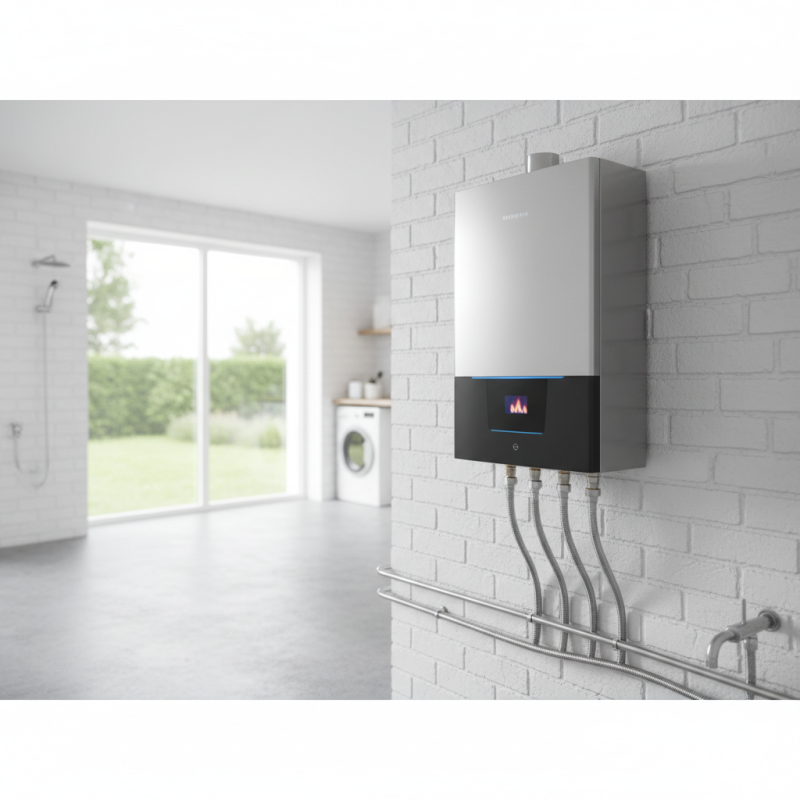
A gas multipoint water heater is a versatile and efficient system designed to provide instant hot water to multiple outlets simultaneously throughout a home or commercial space. Unlike traditional water heaters that store heated water, a multipoint system heats water on demand, which can significantly reduce energy consumption and costs. According to a report by the U.S. Department of Energy, water heating accounts for approximately 18% of the energy consumed in a typical home, making this technology a compelling option for homeowners looking to enhance energy efficiency.
The operation of a gas multipoint water heater is straightforward yet effective. When hot water is needed, cold water enters the system, triggering the gas burner to heat the water as it flows through the unit. This setup ensures that every faucet and appliance connected to the system receives a consistent supply of hot water without waiting for a tank to refill. The ability to serve multiple points of use simultaneously means that households can enjoy the convenience of hot showers, dishwashing, and laundry without a loss of pressure or temperature. Industry research indicates that such systems can improve water heating efficiency by up to 30%, making them an environmentally sustainable choice for modern households.
Gas Multipoint Water Heater Efficiency by Temperature Settings
Key Components of Gas Multipoint Water Heaters
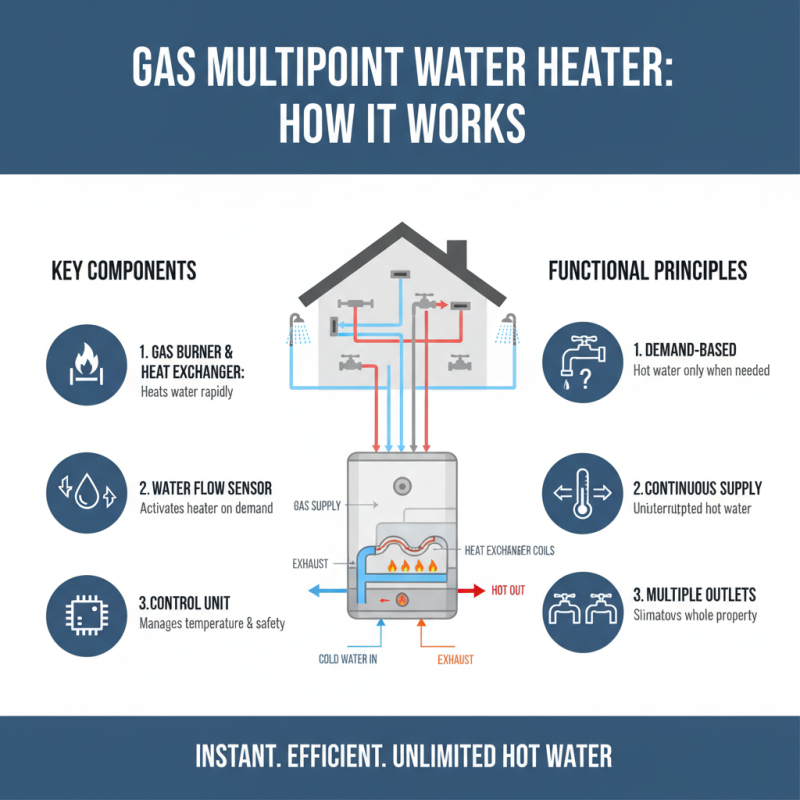
Gas multipoint water heaters are designed to provide instant hot water to multiple outlets throughout a property. Understanding the key components of these systems reveals how they function efficiently and effectively.
One of the critical components is the gas burner, which heats the water as it flows through the heater. When a hot water tap is opened, a flow sensor activates the burner, ensuring that the water is heated only when needed. This on-demand heating capability maximizes energy efficiency and reduces waste compared to traditional storage systems.
Another essential part is the heat exchanger, which transfers heat from the burner to the water. This component is designed to facilitate rapid heating while maintaining a consistent water temperature. Additionally, safety features such as temperature and pressure relief valves are crucial for preventing overheating and ensuring safe operation. Together, these components create a reliable and efficient system for delivering hot water where and when it's needed.
How Gas Multipoint Water Heaters Operate
Gas multipoint water heaters are designed to provide hot water for multiple outlets in a home simultaneously. Unlike traditional water heaters that store a certain amount of water and heat it before use, these heaters operate on demand, which makes them energy-efficient. When hot water is needed, the system detects a flow and ignites a gas burner, quickly heating the water as it passes through the unit. This allows for a continuous supply of hot water without the need for a storage tank.
The operational mechanics of gas multipoint water heaters involve advanced safety features and technology. As water flows through the heater, a series of sensors monitor the temperature and flow rate, ensuring the output remains at the desired temperature. Typically, the heater incorporates modulating burners, which adjust the flame intensity to match the water flow—this ensures efficiency and reduces gas consumption. Overall, the combination of immediate heating with responsive control systems enables these units to meet the diverse hot water demands of modern households efficiently.
What is a Gas Multipoint Water Heater and How Does It Work
| Feature |
Description |
Advantages |
Disadvantages |
| Heating Method |
Uses gas combustion to heat water |
Efficient heating; quick hot water access |
Requires gas supply; potential for gas leaks |
| Installation Location |
Can be installed in various locations including indoors or outdoors |
Flexible installation options |
Requires proper ventilation for safety |
| Water Supply |
Can supply multiple outlets simultaneously |
Convenient for larger households |
Flow rate may diminish if multiple outlets used at once |
| Energy Efficiency |
Modern units are designed for high efficiency |
Lower energy costs over time |
Initial cost may be higher than traditional heaters |
| Maintenance |
Requires periodic maintenance and checks |
Longevity of the unit; optimal performance |
Maintenance can incur additional costs |
Advantages of Using Gas Multipoint Water Heaters
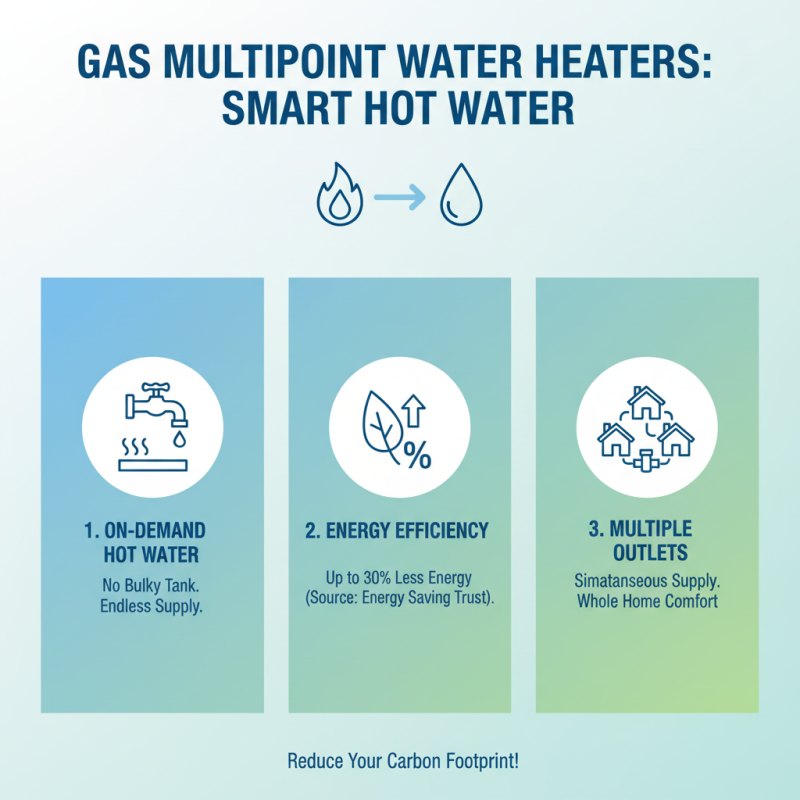
Gas multipoint water heaters are gaining popularity for their efficiency and practicality in providing hot water for multiple outlets simultaneously. One of the primary advantages of these systems is their capability to warm water on demand, eliminating the need for bulky storage tanks. According to a study conducted by the Energy Saving Trust, gas multipoint systems can reduce energy consumption by up to 30% compared to traditional tank-style heaters, making them an environmentally friendly choice for households looking to minimize their carbon footprint.
Another significant benefit lies in the increased comfort and convenience they offer. With the ability to supply hot water to several taps at once, these heaters cater to the needs of larger families or commercial settings where multiple activities occur simultaneously. Industry reports indicate that gas multipoint systems can deliver hot water at a rate of up to 20 liters per minute, ensuring that users experience uninterrupted service. Moreover, the compact design of these units allows for more efficient use of space, making them suitable for various installation environments, from urban apartments to larger homes.
Additionally, gas multipoint water heaters tend to have a longer lifespan compared to electric alternatives due to lower operating temperatures and reduced wear on components. The National Renewable Energy Laboratory highlights that the average lifespan of a gas water heater can reach 10-15 years with proper maintenance, making them a wise investment for long-term use. These advantages collectively contribute to the growing trend of adopting gas multipoint water heaters in modern home and business infrastructure.
Common Applications and Installation Considerations
Gas multipoint water heaters are increasingly popular in residential and commercial settings due to their efficiency and reliability. Common applications for these systems include multifamily homes, hotels, and other facilities where hot water demands can vary significantly. According to the U.S. Department of Energy, gas water heaters typically have lower operating costs compared to electric systems, making them a cost-effective choice for high-demand environments. Additionally, studies show that gas heaters can provide hot water at higher flow rates, accommodating larger households or commercial applications without significant wait times.
When considering the installation of a gas multipoint water heater, several important factors need to be evaluated. Proper sizing is crucial to ensure the system meets the household's hot water needs efficiently. A report from the American Society of Heating, Refrigerating and Air-Conditioning Engineers (ASHRAE) emphasizes the importance of calculating peak demand and selecting a heater that can deliver sufficient capacity. Furthermore, installation considerations must also include venting requirements and gas supply lines, as proper ventilation is vital for safety and efficiency. It is recommended to consult with a trained professional to navigate these complexities and ensure compliance with local building codes and regulations.