Top Hot Cold Water Heater Buying Guide for Maximum Efficiency
When it comes to selecting the perfect Hot Cold Water Heater, efficiency and functionality are paramount. According to expert plumber and energy efficiency consultant, John Smith, “Investing in the right hot cold water heater not only enhances your daily comfort but also significantly reduces your energy consumption.” This underscores the importance of choosing a water heater that fits your specific needs while maximizing energy savings.
In today’s market, there are a myriad of options available, each claiming to optimize your hot and cold water usage. However, navigating these choices can be overwhelming without proper guidance. As homeowners become increasingly conscious of their energy footprints and utility costs, understanding the key attributes that define an efficient hot cold water heater is essential. From tankless models to traditional storage systems, the decision you make will impact your home's energy efficiency and overall performance.
This buying guide aims to illuminate the critical features and considerations that will help you select a hot cold water heater that delivers maximum efficiency, ensuring that your home remains comfortable while minimizing wasted energy and costs. Whether you are replacing an old unit or installing a new one, the right information will empower you to make the best choice tailored to your specific requirements.
Understanding Water Heater Types: Tank vs. Tankless Models
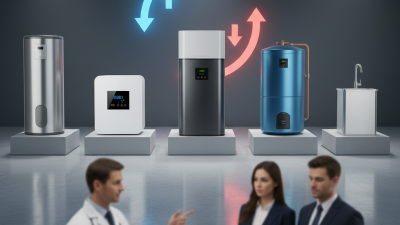
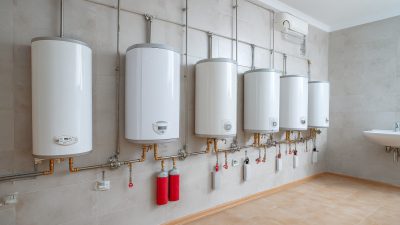
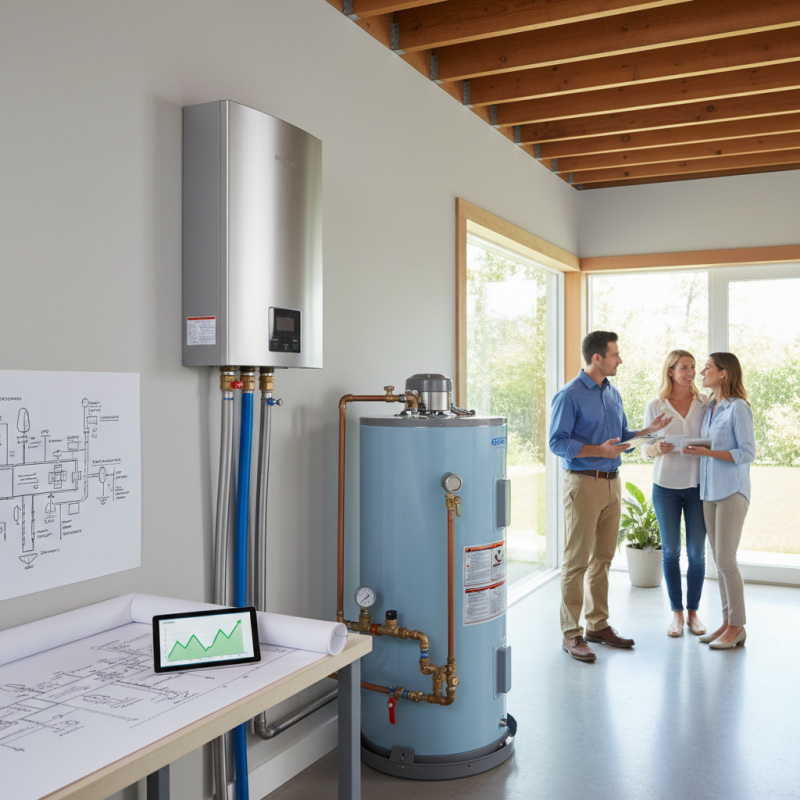
When choosing a water heater, one of the primary decisions involves selecting between tank and tankless models. Traditional tank water heaters store a specific amount of heated water, typically ranging from 20 to 80 gallons. This method provides a steady supply of hot water but can be inefficient, as these units continuously heat the stored water to maintain temperature, leading to standby heat loss. According to the U.S. Department of Energy, conventional storage water heaters can account for around 18% of a home's energy use.
In contrast, tankless water heaters offer a more efficient solution by heating water on demand. These units can provide hot water without the need for a storage tank, leading to reduced energy consumption since they only operate when needed. Studies indicate that tankless models can be up to 34% more energy-efficient than traditional models for homes that utilize less than 41 gallons of hot water daily. This can result in significant savings over time, particularly in regions with high energy costs.
Tips: When selecting a water heater, consider your household's hot water usage patterns. If your demand is consistently high, a tank model might be more suitable. However, for smaller households or those looking to save on energy bills, a tankless heater could be the ideal choice. Additionally, think about the installation costs and available space since tankless units often require different venting and plumbing setups compared to tank models.
Evaluating Energy Efficiency Ratings: The Importance of ENERGY STAR
When selecting a hot cold water heater, understanding energy efficiency is crucial for reducing energy costs and environmental impact. The ENERGY STAR program, established by the U.S. Environmental Protection Agency, provides a reliable benchmark for consumers, highlighting products that meet strict energy efficiency guidelines. In fact, according to the ENERGY STAR program, certified appliances use about 10-50% less energy than non-certified models, leading to significant reductions in electricity bills and greenhouse gas emissions over time.
The energy efficiency ratings of water heaters can vary widely; for instance, conventional electric water heaters can have a Uniform Energy Factor (UEF) ranging from 0.75 to 0.90, while high-efficiency models can achieve UEF ratings exceeding 1.0. This efficiency translates to substantial energy savings—studies indicate that by choosing a water heater with a higher efficiency rating, homeowners can save approximately $300 annually in energy costs. Additionally, the long-term benefits of increased efficiency often outweigh the initial cost of investment, making ENERGY STAR-rated heaters a financially sound choice for consumers seeking both performance and sustainability.
Energy Efficiency Ratings of Water Heaters
Key Features to Consider: Size, Recovery Rate, and Energy Source
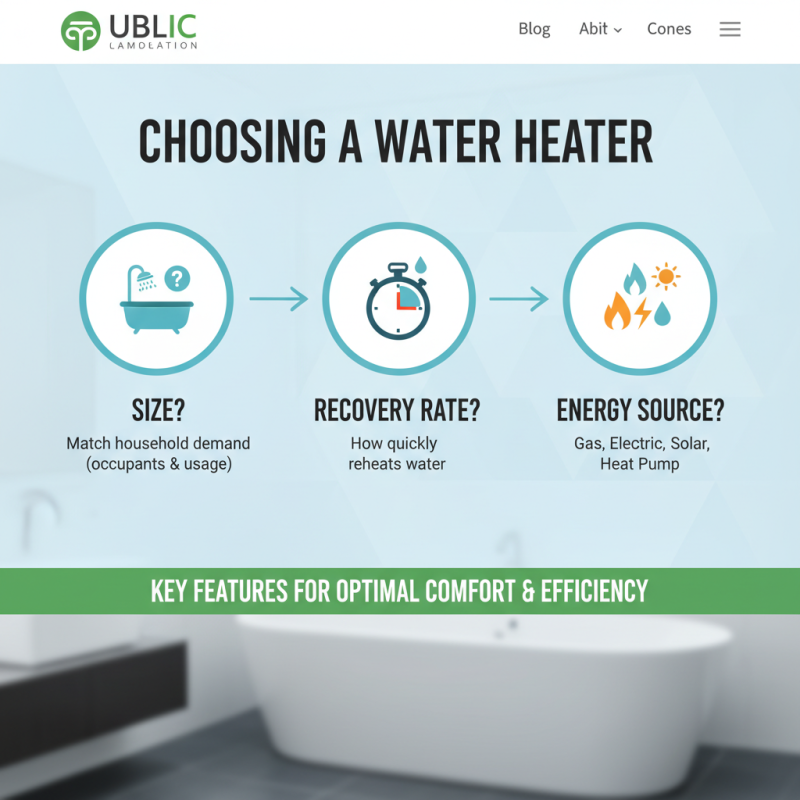
When choosing a hot or cold water heater, the key features to consider are size, recovery rate, and energy source. The size of the water heater is crucial as it needs to meet your household's hot water demand. A unit too small will lead to discomfort, especially during peak usage times, while an oversized model can waste energy and increase expenses. Assessing your household's needs based on the number of occupants and simultaneous usage will help you select the right capacity.
Another important feature is the recovery rate, which indicates how quickly the heater can replenish hot water after it’s been used. A higher recovery rate is particularly beneficial for larger families or homes with high hot water usage. Look for models that can deliver quick recovery without sacrificing efficiency, ensuring that you never run out of hot water when you need it the most.
Tips: Always compare the energy sources available in your area. Electric, gas, and solar water heaters have different efficiencies and cost implications. If you have access to renewable energy sources, consider investing in a solar water heater to reduce long-term energy costs. Additionally, read customer reviews and expert ratings to gauge reliability and performance, ensuring your purchase meets the needs of your household efficiently.
Installation and Maintenance Best Practices for Optimal Performance
Proper installation and maintenance of hot and cold water heaters are essential for ensuring optimal performance and maximizing efficiency.
According to the U.S. Department of Energy, poorly maintained water heaters can operate at just 60% efficiency or lower, significantly increasing energy costs.
Therefore, it is crucial to follow best practices during the installation phase, such as ensuring the unit is thermally insulated and positioned for optimal airflow.
Ensuring that the cold water inlet and hot water outlet are correctly connected can prevent mixing and enhance the heater's efficiency.
Regular maintenance is equally important in sustaining the performance of water heaters.
The National Association of Home Builders recommends annual flushing of the heater's tank to eliminate sediment buildup, which can hinder efficiency and lead to costly repairs.
Additionally, checking the anode rod every few years can prolong the life of the tank by preventing corrosion. A report by the American Society of Plumbing Engineers notes that consistent maintenance can boost the lifespan of water heaters by 30% or more, underscoring the importance of appropriate care and attention.
By implementing these best practices, homeowners can not only maximize the efficiency of their water heaters but also minimize the risk of unexpected malfunctions.
Cost Analysis: Initial Investment vs. Long-term Savings on Energy Bills
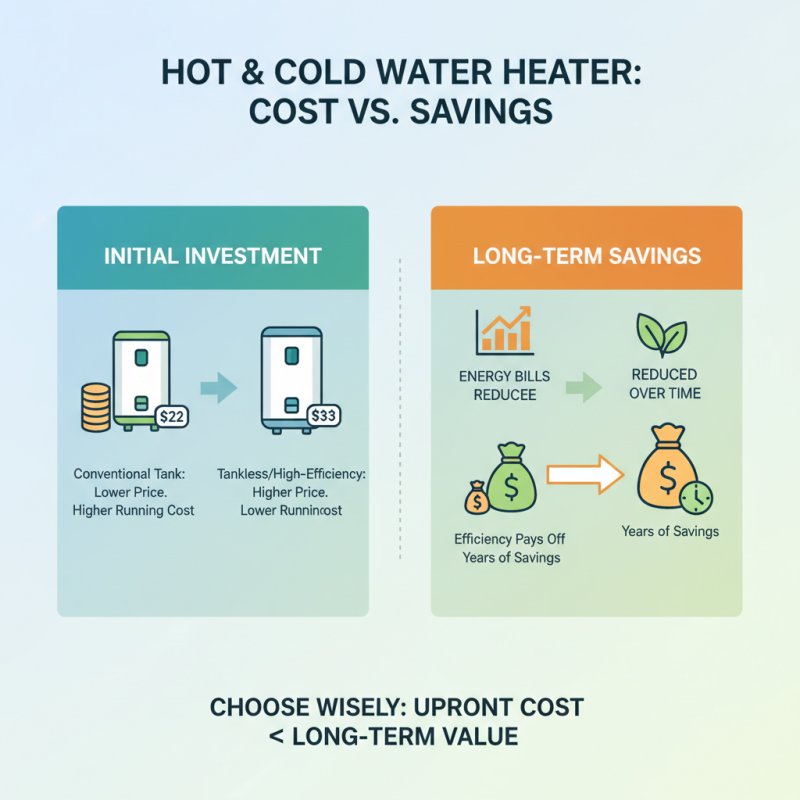
When considering the purchase of a hot cold water heater, it's crucial to analyze both the initial investment and the long-term savings associated with your energy bills. The upfront cost may vary significantly based on the type and model of the heater. Conventional tank water heaters tend to have a lower purchase price, but they may not be the most efficient option over time. On the other hand, tankless or high-efficiency models often come with a higher initial price, yet they can deliver substantial savings in energy costs due to their ability to heat water on demand and maintain optimal performance over time.
In a cost analysis, it is essential to factor in energy efficiency ratings and the average yearly operating costs of different heater types. While the initial investment might be daunting for some consumers, the potential for reduced energy bills can lead to significant savings over the lifespan of the unit. As older models consume more energy to maintain temperatures, upgrading to a more efficient system can result in reduced monthly expenses. Evaluating both immediate costs and future savings helps ensure that consumers make informed choices that ultimately benefit their wallets while contributing to energy conservation.