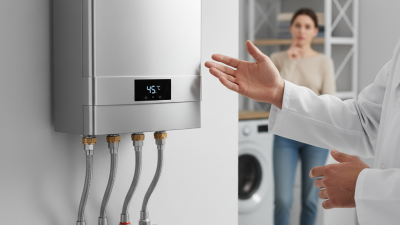
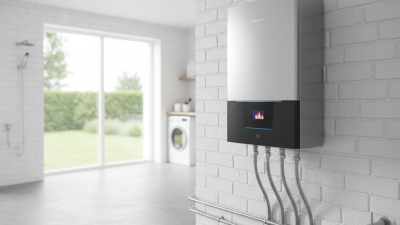
Why Choose a Gas Multipoint Water Heater for Your Home?
Choosing the right water heater for your home can be overwhelming. Among the many options available, the Gas Multipoint Water Heater stands out for several reasons. It offers efficient heating for multiple outlets simultaneously. This feature can be ideal for families with high hot water demands.
One significant advantage of the Gas Multipoint Water Heater is its energy efficiency. It heats water on demand, reducing wasted energy. This could lead to lower utility bills over time. Additionally, the installation process can be straightforward, especially in homes already equipped for gas systems. However, there may be initial costs and considerations involved.
When selecting a water heater, it's essential to weigh the pros and cons. The Gas Multipoint Water Heater is known for reliability. Yet, it requires regular maintenance to ensure optimal performance. Ignoring this can lead to more significant issues down the line. Always consult with a professional to make an informed decision that aligns with your home’s unique needs.
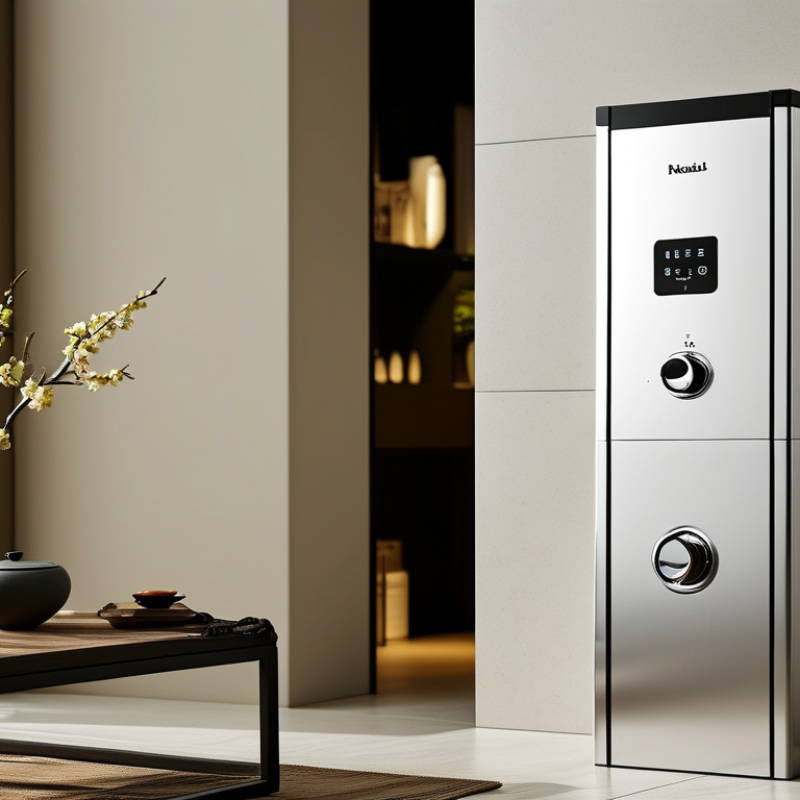
Advantages of Gas Multipoint Water Heaters Over Traditional Systems
Gas multipoint water heaters are gaining popularity in homes due to their numerous advantages over traditional systems. They provide instant hot water on demand, which is ideal for households with high water usage. This feature ensures that multiple taps can be used simultaneously without running out of hot water. Imagine taking a hot shower while your family is washing dishes or doing laundry. Gas multipoint systems handle this efficiently.
Another significant benefit is energy efficiency. Gas heaters often consume less energy compared to electric units. Over time, this can reduce utility bills. However, it's essential to choose the right size for your home. An oversized unit may lead to unnecessary costs. Regular maintenance is also crucial to ensure optimal performance. Users might overlook this, leading to inefficiencies.
Safety is another consideration. Gas systems typically have built-in safety features, such as automatic shut-off valves. This provides peace of mind. However, proper installation is crucial. An improperly installed unit may pose risks. Homeowners should consult experts to ensure safety and efficiency. Proper guidance helps to avoid potential issues down the line.
How Gas Multipoint Water Heaters Improve Energy Efficiency in Homes
Gas multipoint water heaters offer an efficient solution for heating water in homes. These systems deliver hot water to multiple outlets simultaneously. This feature lowers energy consumption significantly compared to traditional systems. Families can enjoy hot water in the kitchen, bathroom, and laundry seamlessly.
One major advantage is the reduced energy waste. Gas multipoint heaters operate only when there is demand. This means no energy is wasted heating water that isn’t used. Homeowners often notice a drop in their energy bills. Still, it’s essential to consider installation costs and maintenance. Regular checks ensure optimal performance and longevity.
Users should be aware of the size and capacity required for their needs. An undersized unit can lead to inadequate hot water supply. Additionally, while gas heaters are efficient, they depend on a good gas supply. In some areas, this may be unreliable. Balancing efficiency with practicality is crucial for making a sound choice.
Key Features to Consider When Selecting a Gas Multipoint Water Heater
When selecting a gas multipoint water heater for your home, several key features are essential to consider. First, look at the BTU (British Thermal Units) rating. This metric indicates the heater's capacity to deliver hot water effectively. According to industry reports, a higher BTU rating provides faster recovery rates for hot water needs. Ensure that your heater matches your household's peak demand to avoid disappointment during busy times.
Another important factor is safety features. Modern gas multipoint water heaters should include safety shut-off valves and automatic ignition systems to prevent gas leaks. A report from the National Fire Protection Association highlights that proper safety measures can significantly reduce the risk of accidents. Choose models that prioritize safety compliance to ensure peace of mind for your family.
Tip: Regular maintenance ensures safe operation and longevity. Check gas lines and connections periodically for leaks.
In addition to safety and efficiency, consider energy consumption. Gas water heaters are often more energy-efficient than electric models, translating to lower utility bills. However, investigate options that offer energy-saving technology. The U.S. Department of Energy emphasizes the importance of certifications like ENERGY STAR for increased energy savings. However, be aware that the upfront cost might be higher. Weigh the initial investment against long-term savings carefully.
Tip: Research rebates and incentives in your area for energy-efficient appliances.
Installation Requirements and Considerations for Homeowners
When considering a gas multipoint water heater, installation requirements are crucial. These units require proper ventilation to ensure safety and efficiency. Homeowners should examine available space and local code requirements. Gas line access is essential and must be checked by a professional.
Adequate space around the unit is needed for service and maintenance.
Another important aspect is the water supply. The system should be connected to a reliable source without fluctuations. Capacity is key; consider the number of fixtures needing hot water. A thorough assessment by a certified plumber can help you avoid potential issues. This process may seem straightforward, but many overlook hidden challenges. For instance, incorrect sizing can lead to inadequate hot water supply.
Homeowners must also plan for potential adjustments in their existing plumbing. Retrofitting can be an option but should be approached cautiously. An expert installer can provide guidance, but be ready to confront unexpected costs.
Overall, investing in a gas multipoint water heater benefits your home. However, understanding installation intricacies is vital for optimal performance.
Maintenance Tips for Ensuring Longevity of Gas Multipoint Water Heaters
Gas multipoint water heaters are a reliable choice for homes. To keep them functioning optimally, regular maintenance is crucial.
Begin by checking the ventilation system. Good airflow prevents overheating and ensures efficiency. Dust and debris should be removed from vents regularly. This simple step enhances the appliance's longevity.
Inspect the gas lines for leaks. A small leak can lead to bigger problems. Use a soap solution to check the connections. If bubbles form, it's time to call a professional. Another vital aspect is to flush the tank periodically.
Sediment buildup can affect performance. Aim to do this at least annually for best results.
Lastly, keep an eye on the pressure relief valve. This component is essential for safety. Test it every six months to ensure it functions correctly. Non-functioning valves can lead to dangerous situations. Small, routine checks can save you from costly repairs.
Consistency in maintenance goes a long way in prolonging the life of your gas multipoint water heater.