What is a Geyser Inlet Valve and How Does It Work?
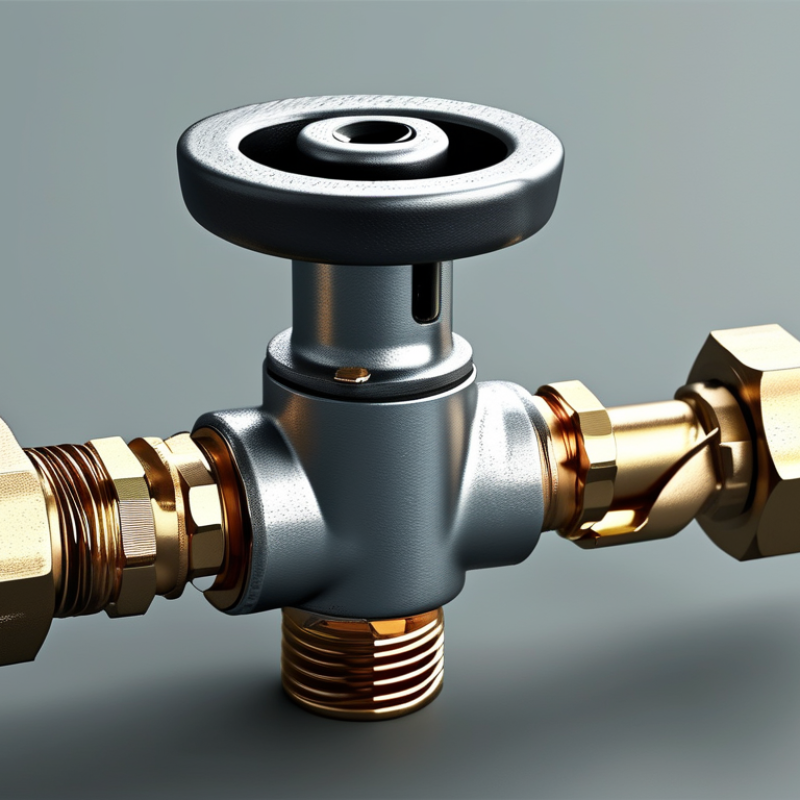
The Geyser Inlet Valve plays a crucial role in the functioning of geysers. This device regulates the water flow into the geyser. A well-functioning Geyser Inlet Valve ensures safety and efficiency in water heating. It prevents backflow, which could damage appliances or create hazards.
Understanding how the Geyser Inlet Valve works is essential for homeowners. Regular maintenance can enhance its longevity and effectiveness. When it malfunctions, it can lead to drastic issues, like leaks or insufficient heating. It's important to recognize the signs of wear and tear.
Many overlook the significance of this valve until problems arise. Awareness of its function can save time and repair costs in the long run. By knowing the Geyser Inlet Valve’s purpose, users can make informed decisions. It is the key to a safe and effective geyser system.
What is a Geyser Inlet Valve?
A geyser inlet valve is a crucial component in geyser or water heater systems. It regulates the flow of water into the heating chamber. This valve ensures that the system operates efficiently and safely. According to industry reports, a malfunctioning inlet valve can cause improper heating and even increase the risk of leaks.
The valve works by controlling water pressure and temperature. When hot water is drawn from the tank, the inlet valve opens to allow cold water in. This process maintains the water temperature at a steady level. If the valve does not function correctly, it may lead to fluctuating temperatures or poor heating performance. Studies indicate that nearly 30% of water heating issues stem from problems with the inlet valve.
Regular maintenance is essential for the geyser inlet valve. Ignoring signs of wear can lead to bigger issues. For instance, sediment buildup can obstruct the valve, reducing efficiency. A well-maintained inlet valve enhances system performance and extends its lifespan. Yet, many homeowners often overlook this critical component until significant problems arise. By staying informed, users can prevent costly repairs in the future.
Geyser Inlet Valve Efficiency Analysis
The Functionality of a Geyser Inlet Valve
A geyser inlet valve is a critical component in a geyser system. It controls the water flow into the geyser based on its temperature and pressure levels. This valve ensures efficient heating by managing the water intake. According to industry reports, proper functioning of the inlet valve can improve energy efficiency by up to 30%. This is significant for both cost savings and environmental impact.
The functionality of the geyser inlet valve is based on its design and materials. A well-designed valve is durable and resistant to corrosion, which increases its lifespan. Specifications often dictate the pressure limits. Many valves can operate effectively at pressures up to 8 bar. However, issues can arise due to sediment buildup or malfunctioning components, resulting in inefficient heating. Regular maintenance is essential for optimal performance.
Analyzing user experiences reveals that many overlook the significance of routine checks. Neglect can lead to unexpected repairs or higher energy bills. Industry studies indicate that many homeowners might wait until there's a significant issue. This reactive approach may seem cost-effective but can result in more extensive problems. Investing in preventive measures, such as regular inspections, can save time and money in the long run.
Components of a Geyser Inlet Valve
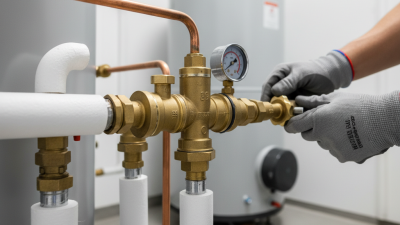
A geyser inlet valve is a crucial component in the functioning of geysers. It regulates the flow of cold water into the heating tank. This valve primarily consists of a few key parts. These include the valve body, a float mechanism, and a lever. Each element plays a vital role in ensuring efficient operation.
The valve body is usually made of sturdy materials, allowing it to withstand high pressures. A float mechanism adjusts the water level. When the tank fills, the float rises, closing the valve. This prevents overflow. When water is used, the float drops, opening the valve and allowing cold water to enter.
Installation can sometimes be tricky. Misalignment may cause leaks or improper functioning. Regular maintenance is necessary. Ensure that the float moves freely to avoid issues. Inspecting the valve periodically can prevent costly repairs down the line. Remember, taking proper care can significantly extend the lifespan of your geyser inlet valve.
Installation Process of a Geyser Inlet Valve
The installation process of a geyser inlet valve requires careful attention to detail. Begin by shutting off the water supply to ensure safety. Make sure to remove the old valve properly. Use a wrench to detach it, being cautious about leftover water in the pipes.
Afterward, clean the connection area thoroughly to ensure a tight seal for the new valve.
Next, position the new inlet valve correctly. Align it with the pipe and tighten it securely.
It’s vital to avoid over-tightening, as this could damage the valve. Use plumber's tape on the threads for an added layer of security. Don’t skip this step; it can prevent leaks later.
Once installed, reconnect the water supply slowly. Check for any leaks around the valve. Watch carefully for the first few minutes. If any leak appears, you may need to adjust your installation. This step is often overlooked, yet it’s crucial for ensuring long-term functionality. It might take time to perfect this process, but with practice, you will improve.
Common Issues and Maintenance Tips for Geyser Inlet Valves
Geyser inlet valves play a crucial role in the overall efficiency of geysers, but they can face several common issues. One typical problem is leaks. A leaking valve can lead to water wastage and pressure fluctuations. Regular checks are essential. Look for signs of moisture around the valve. Tightening fittings can often resolve minor leaks.
Another issue is valve clogs. Accumulated sediment can hinder performance. Regular maintenance, like cleaning or replacing filters, helps prevent clogs. Not everyone realizes how important this is. Many neglect their geyser systems until a problem arises. This can lead to costly repairs down the line.
It’s also important to consider the valve’s lifespan. Over time, wear and tear can affect functionality. If you notice reduced efficiency, it might be time to review your inlet valve. Research shows timely maintenance can extend the life of these components. Regular inspections and proper care can save you money and stress in the long run.